
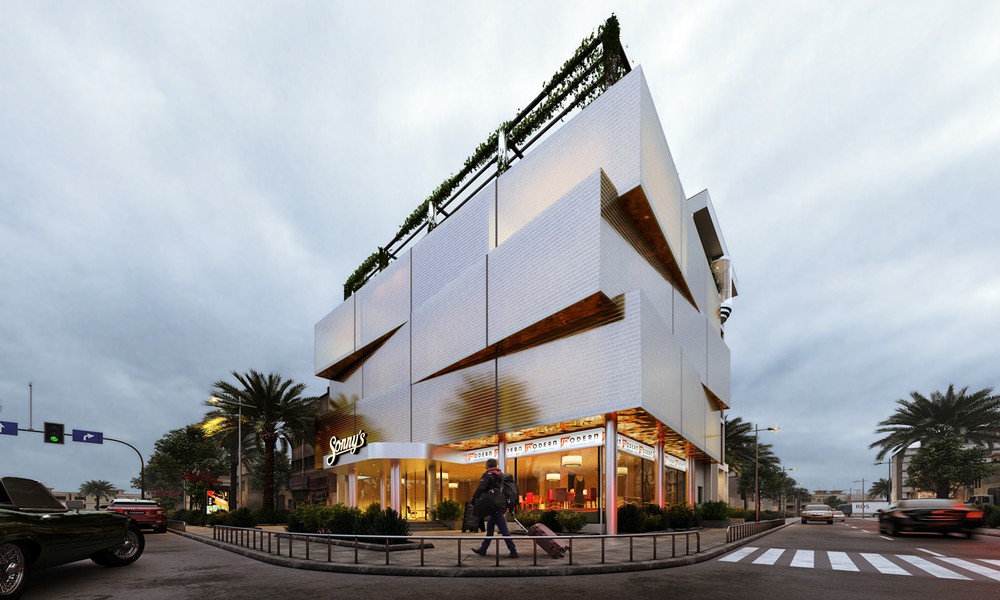
Present-day commercial architecture tends towards the development of rational design approaches, contributing to increased structural effectiveness, usability, and performance. At present, modern architects consider designs that ensure flexible usage of space as well as coordinated interaction between the physical layout and the technological environment.
Such an approach ensures improved response of buildings to changes in operation and guarantees their high-performance characteristics. Improved design concepts also contribute to the sustainability and rational management of resources within commercial settings. Further development of technology contributes to the precision of architectural design.
Smart Architectural Systems Transform Spaces
Modern design frameworks are redefining how commercial environments function through intelligent integration and flexible planning methods. These systems enhance usability, improve coordination, and support long-term efficiency in built structures.
With digital tools becoming central to design execution, professionals can achieve better control over spatial organization and operational flow. Professionals often see website platforms as valuable resources for exploring updated methods and practical applications of smart architecture systems that support efficient planning and execution in modern commercial projects.
Data-Driven Building Operations Model
• Intelligent monitoring improves building performance through continuous system evaluation.
• Connected sensors enhance environmental control and support efficient resource usage.
• Digital dashboards simplify operational tracking for facility management teams.
• Predictive insights help reduce maintenance issues and improve system reliability.
Adaptive Structural Planning Methods
Planning techniques concentrate on adaptable design elements, scalable spaces, and effective structural configurations. Design professionals apply modular principles to guarantee usability and consistent performance. This assists corporations in handling growth and balancing operations.
Effective planning techniques also facilitate proper space allocation, thus enabling various functional spaces to operate effectively within the same building.
Integrated Automation In Modern Facilities
• Automated systems improve energy distribution and reduce unnecessary operational load.
• Smart controls enhance safety management and building response efficiency.
• Centralized platforms streamline communication between multiple building systems.
• Real-time data improves decision-making and operational accuracy.
Digital Ecosystem Design Frameworks
Contemporary architecture for commercial use is highly dependent on digital ecosystems that link design software, operational software, and performance measurement software. This helps to enhance collaboration among team members and cut down delays during project implementation.
Increased digital connectivity ensures effective communication and coordination during various stages of development. The architects are able to fine-tune their designs through the application of advanced visualization techniques. It also allows better alignment between design intent and functional outcomes, ensuring consistent quality across commercial environments.
Performance Comparison Table Insights
|
Design Approach |
Efficiency Level |
Flexibility Range |
Operational Control |
|---|---|---|---|
|
Traditional Model |
Moderate |
Limited |
Basic Monitoring |
|
Smart System Model |
High |
Advanced |
Real-time Control |
|
Hybrid Framework |
High |
Moderate to Advanced |
Enhanced Coordination |
Connected Infrastructure Future Direction
• Smart connectivity improves coordination across building systems and digital tools.
• Advanced integration supports scalable expansion and long-term structural stability.
• Intelligent frameworks reduce operational delays and improve system responsiveness.
• Data-driven infrastructure enhances decision-making across commercial environments.
Future Ready Commercial Design
The modern commercial building is still evolving into an intelligent system to enhance efficiency, flexibility, and control over building operation. These can enable buildings to operate with greater accuracy and respond to evolving business requirements. Digital integration enables better coordination between the various structural elements and thus better performance and resource management.
The industry professionals are always looking for new ways and new platforms like see website where they can learn about new ideas in smart architecture development and its application. The trend toward connected systems supports long-term planning and enhances building performance in commercial buildings. It also guarantees that future improvements are flexible, effective, and meet today’s operating requirements.
FAQs
What is smart commercial architecture?
It is a design approach that uses intelligent systems to improve building efficiency and flexibility.
How does automation help in modern buildings?
Automation improves control, reduces manual effort, and enhances operational accuracy in facilities.
Why is digital integration important in architecture?
It ensures better coordination, improved planning, and efficient management of building systems.
What are adaptive design methods?
They are flexible planning techniques that allow spaces to adjust to changing requirements easily.