
Although furniture at work doesn’t make noise, it does affect how comfortable people are, how first impressions are made, and how often they use the space. Chairs, booths, benches, and reception seats can get worn down from people sitting in them all the time. This article shows local businesses how to find good repair choices and save time in Indianapolis.
1. Start With the Furniture That Staff and Guests Use Most
High-use seats tend to show damage first because they carry the most weight, friction, and contact. Indianapolis leather repair helps with surface wear, scuffs, small tears, and faded areas on commercial pieces. Office chairs, lobby sofas, exam room seats, and restaurant booths can all need care at different points. A simple walk-through may reveal the pieces that deserve a closer look.
For many Indianapolis offices, the front lobby is a smart place to start. Guests often notice cracked vinyl, dull leather, or loose seams before anything else. Staff spaces matter too, since worn chairs can affect daily comfort. A clear list of damaged items helps keep the repair process practical.
2. Limit Furniture Moves by Using On-Site Service
Upholstery work done on-site might cut down on the need to move chairs or sofas across town. That helps with time, personnel effort, and the stress of transferring big things. The service area stays focused on the furnishings, which can help keep things running well. When repairs are done in busy settings, this might make them feel less disturbing.
A lot of commercial items are big, heavy, or stuck in one spot. It may not be easy to squeeze booths, benches, and big waiting room chairs through doorways. The local repair business may check the surface, seams, cushioning, and color right where the piece is. That can be helpful for workplaces, clinics, restaurants, hotels, and showrooms all across Indianapolis.
3. Check for Damage on the Surface Before it Spreads
Small cuts, scrapes, and scuffs can make the surface weaker or show the inner layers. Indianapolis leather repair might help fix these problems before they get worse and become more obvious.
Signs That Need More Attention
A quick check can help staff find problems before they turn into bigger ones that need to be fixed. Focus on places where hands, bags, shoes, and clothes touch each other a lot.
- Armrests of office chairs that have been scraped
- Booth corners along the aisles are cracked
- Seams that aren’t tight on reception seats
- Headrests or seat backs that have lost their color
- Minor gaps in vinyl or cloth panels
These signals don’t necessarily signify that the element needs to be replaced. A repair evaluation can help you figure out if surface work, color touch-ups, seam care, or filler will assist.
4. Update Customer Areas without Doing a Full Remodel
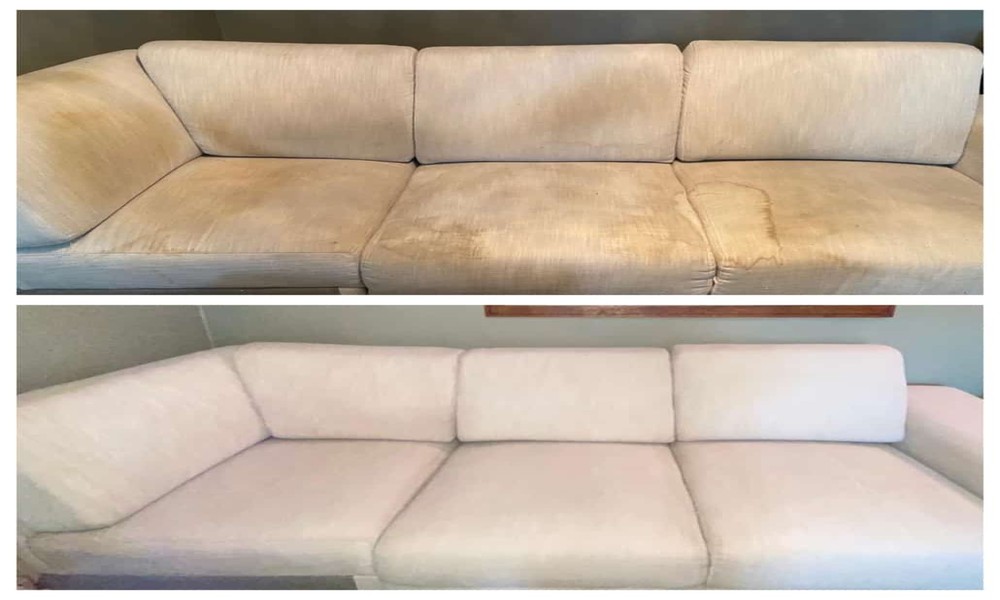
Even if the room is tidy, it still feel old if the seating appears worn. Repairing upholstery fixes evident problems that make consumer areas seem bad. It might make the sitting in the foyer, reception area, café booths, or meeting rooms better. Small changes might make the area feel more cared for.
Seating is typically a big element of the first impression at clinics, salons, businesses, and restaurants in Indianapolis. Torn edges or fading panels can make a room that is otherwise clean look messy. On-site service can focus on the parts that clients see the most.
5. Match Repair Work to the Material Type
Commercial furniture may use leather, vinyl, fabric, plastic, or a mix of surfaces. Each material reacts differently to heat, pressure, stains, and daily wear. A repair approach for vinyl may not fit real leather or woven upholstery. That is why material review matters before any work starts.
Indianapolis teams can make the process easier by noting what type of furniture needs help. A restaurant booth may need vinyl repair, while an executive chair may need leather color work. Fabric seating may need seam care or patch service based on the damage. Clear details help the repair plan stay realistic.
6. Know When Service Makes More Sense Than Replacement
Replacement can be useful in some cases, especially when the frame is weak. Good service may make more sense when the structure is solid, but the surface looks worn. Scratches, small tears, fading, and seam issues may be practical repair targets.
Commercial furniture can be costly, and matching older pieces can be difficult. Professional services help with the part that people see and use most. For a workspace with many matching chairs, leather service may help keep the set more consistent.
Workplace seating takes a lot of daily use, so wear is part of the picture. On-site upholstery repair can help address visible damage, reduce furniture moves, and refresh busy areas in a practical way. For local commercial spaces, leather repair in Indianapolis may help improve appearance and daily use without a rushed replacement choice.