
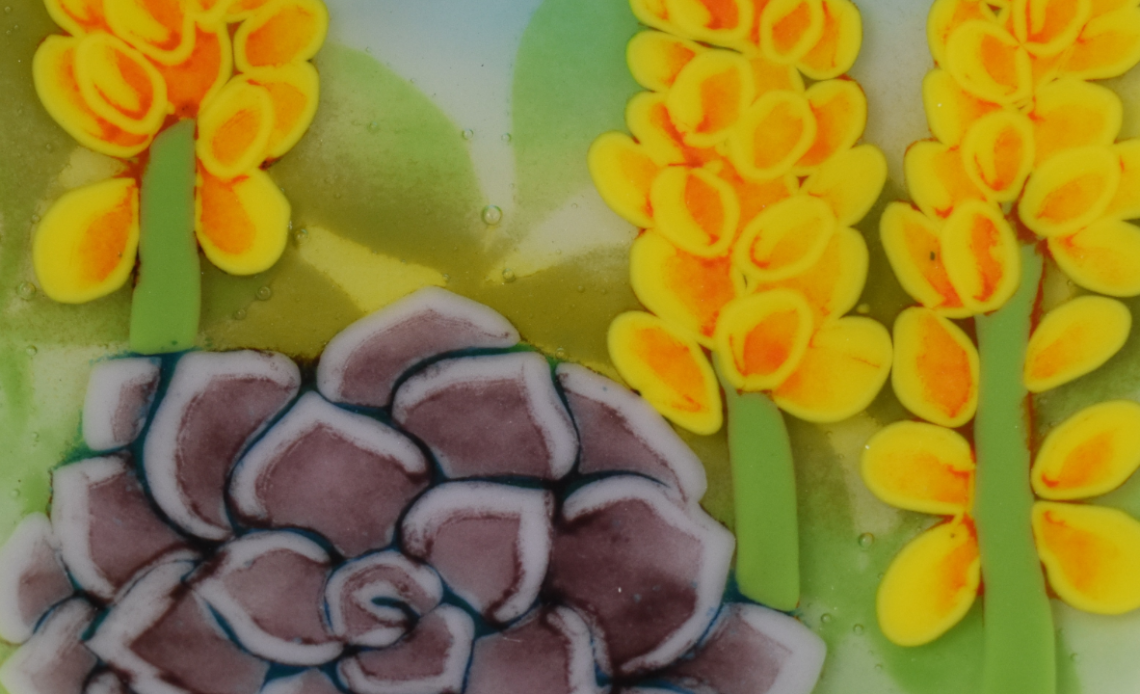
Creative projects often gain new energy when artists explore materials that respond to light, color, and form. Fusible glass design offers a flexible way to add depth and visual interest without complex methods. By layering and heating glass pieces, creators can shape patterns that feel both intentional and expressive. This process supports artistic freedom while keeping results structured. Many artists enjoy how fusible glass allows experimentation without heavy limitations. Each piece becomes a balance of planning and surprise. As more creators search for ways to refresh their work, fusible glass continues to attract attention for its adaptability and visual clarity.
Working with glass also encourages patience and focus. Small adjustments in placement or texture can change the entire outcome. This thoughtful pace helps artists reconnect with hands-on creation. Fusible glass design suits both personal projects and professional pieces. When approached with care, it can brighten projects and open new creative directions.
Creative Spark
Fusible glass often begins with a simple idea that grows through layering and heat. Artists choose colors and textures that reflect mood and intention. Using reliable art glass supplies helps maintain consistency during this stage. Quality materials respond better to heat and layering choices. This allows artists to focus on design instead of technical issues. The creative spark grows stronger when materials behave as expected. With the right base, ideas turn into finished pieces that feel polished and expressive.
Material Choice
Selecting the right materials shapes the success of any glass project. Each element affects clarity, color response, and durability. Thoughtful selection helps artists avoid common issues.
Choosing compatible glass reduces stress during firing and shaping. Texture and thickness also influence how light moves through a piece. When materials align well, results appear clean and balanced.
- Careful glass selection supports smooth fusion and reduces unexpected surface changes
• Consistent thickness helps maintain even heating and stable finished results
• Thoughtful color pairing improves visual harmony and light interaction
Design Layers
Layering forms the foundation of fusible glass design. Artists build depth by stacking shapes with intention. Each layer adds dimension and visual interest.
Design layers allow creators to guide the viewer’s eye. Overlapping shapes create movement and focus. Simple layouts often produce stronger results than crowded arrangements. By planning layers carefully, artists control how light passes through the piece. This approach keeps designs readable and balanced. Layering also encourages experimentation, as small changes can create new effects without restarting the entire project.
Color Balance
Color balance plays a key role in how fusible glass appears once finished. Too many tones can distract from the main idea. Thoughtful balance supports clarity.
Before firing, artists often test color placement. Warm and cool shades interact differently under heat. Balance helps maintain focus and avoids visual overload.
- Soft color transitions guide attention smoothly across the glass surface
• Controlled contrast highlights key design elements without overpowering details
• Balanced tones support a clean and intentional finished appearance
Light Effects
Light transforms fusible glass designs. When light passes through layered glass, it reveals depth and texture. Artists often plan pieces with light interaction in mind.
Placement of transparent and opaque sections affects how light travels. Textured glass scatters light differently than smooth surfaces. These effects bring life to the final piece. Artists can adjust designs based on where the piece will be displayed. Light becomes part of the artwork rather than a background element. This interaction makes fusible glass projects feel active and engaging.
Firing Control
Firing control determines how well a design holds together. Temperature and timing influence shape and surface quality. Careful control reduces risk.
Artists monitor heating stages to avoid distortion. Gradual changes support stable results. Each firing step matters in shaping the final piece.
- Steady temperature increases support smooth fusion and reduce internal stress
• Controlled timing helps maintain intended shape and surface clarity
• Careful cooling prevents cracks and supports long-term durability
Creative Growth
Fusible glass design supports creative growth through repetition and learning. Each project builds skill and confidence. Artists learn how glass reacts over time.
Mistakes become lessons rather than setbacks. Small experiments lead to a better understanding of heat and form. This growth encourages artists to try new ideas. Over time, creators develop a personal style that feels authentic. Fusible glass offers room for both discipline and freedom. This balance supports long-term creative development and satisfaction.
Project Versatility
Fusible glass fits many creative goals. Artists use it for decorative panels, functional pieces, and artistic statements. Its versatility supports varied project needs.
Designs can remain minimal or become detailed. Artists adjust scale and complexity easily. This flexibility makes fusible glass suitable for evolving creative interests. Whether creating gifts or gallery pieces, the process adapts well. Versatility keeps artists engaged and motivated to explore further.
Lasting Impact
Fusible glass design leaves a lasting impression when approached with care and intention. Thoughtful planning, balanced color, and controlled firing lead to strong outcomes. Artists who invest time in learning materials gain better control and confidence. Choosing dependable art glass supplies supports consistent results and creative focus. Over time, fusible glass becomes more than a technique. It becomes a reliable way to brighten projects and express ideas with clarity and depth.