
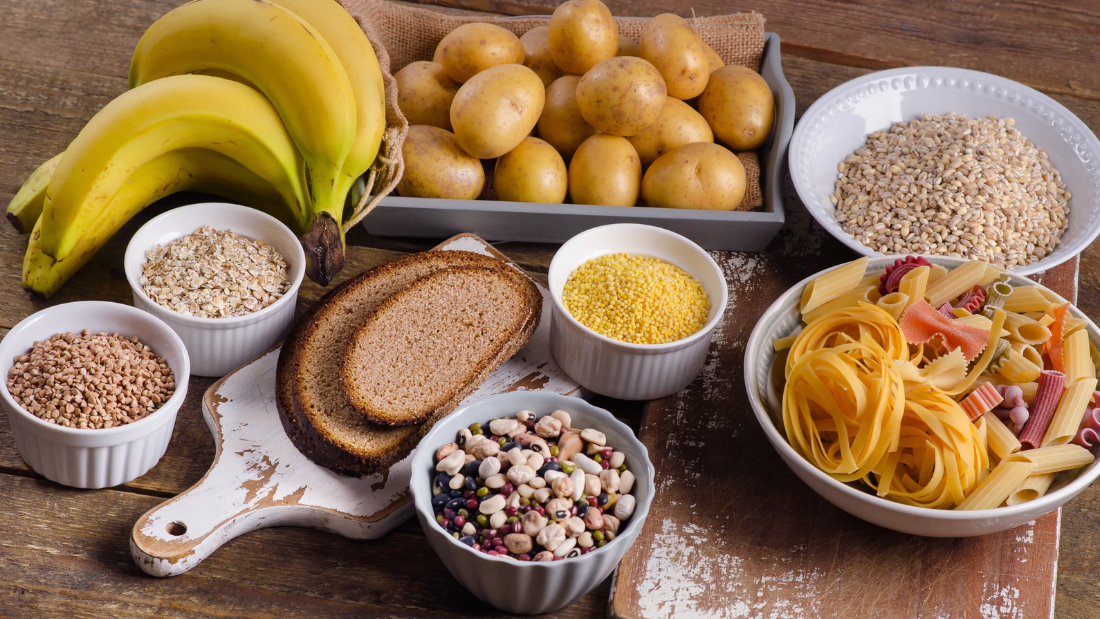
Carbohydrates have been vilified and celebrated in cycles for decades. Low-carb advocates claim they’re the primary driver of obesity; high-carb proponents argue they’re essential for performance and health. The reality is more nuanced—carbohydrates are a tool that can serve your goals when used appropriately.
Understanding how carbs affect fat metabolism and energy helps you make informed decisions rather than following dietary trends blindly.
What Are Carbohydrates?
Basic Categories
Simple carbohydrates:
· Monosaccharides (glucose, fructose, galactose)
· Disaccharides (sucrose, lactose, maltose)
· Quick-digesting, rapid blood sugar impact
· Found in: sugar, fruit, some dairy
Complex carbohydrates:
· Polysaccharides (starch, fiber)
· Slower digestion (except refined starches)
· Found in: grains, legumes, vegetables
Fiber
A special category of carbohydrate:
· Not digested/absorbed like other carbs
· Feeds gut bacteria
· Provides bulk and slows digestion
· Essential for digestive health
What Happens When You Eat Carbs
The Digestive Process
· Breakdown: Digestive enzymes break carbs into simple sugars
· Absorption: Sugars enter bloodstream, raising blood glucose
· Insulin response: Pancreas releases insulin to manage blood sugar
· Uptake: Cells take up glucose for energy or storage
Where Glucose Goes
Immediate energy: Used by active muscles and organs
Glycogen storage: Stored in muscles (~400g capacity) and liver (~100g capacity)
De novo lipogenesis: Converted to fat when glycogen stores are full and excess calories consumed (relatively inefficient process)
Carbohydrates and Fat Loss
The Insulin Argument
The theory: carbs raise insulin, insulin promotes fat storage and prevents fat burning, therefore carbs make you fat.
The reality: While insulin does inhibit lipolysis, the primary determinant of fat loss is energy balance, not insulin levels. People lose fat on high-carb diets when in caloric deficit.
What Research Shows
Multiple controlled studies comparing low-carb vs. low-fat diets with matched calories show:
· Similar fat loss when calories and protein are equated
· No metabolic advantage to either approach
· Individual response varies—some do better with each approach
Why Low-Carb Can Work
Low-carb diets often produce fat loss because:
· Reduced food variety naturally reduces intake
· Protein and fat are more satiating
· Eliminating processed carbs removes high-calorie foods
· Water weight loss (glycogen-bound water) creates quick scale changes
The success is usually about caloric reduction, not carbohydrate restriction specifically.
Carbohydrates and Performance
Why Athletes Need Carbs
For high-intensity exercise, carbohydrates are the preferred fuel:
· Glycolysis (carb burning) provides energy faster than fat oxidation
· High-intensity work (sprinting, lifting heavy) requires carbohydrate
· Glycogen depletion impairs performance and recovery
When Carbs Matter Most
· Resistance training for muscle building
· High-intensity interval training
· Sports requiring explosive power
· Endurance events over 90 minutes
When Carbs Matter Less
· Low-intensity steady-state activity
· Sedentary periods
· Fat-adaptation training protocols
How Many Carbs Do You Need?
Factors Affecting Requirements
Activity level: More activity = more carb tolerance and need
Training type: High-intensity needs more than low-intensity
Goals: Muscle building typically requires more than fat loss
Individual tolerance: Some people function better with more carbs
General Guidelines
Sedentary or very low activity:
· 0.5-1.0g per pound bodyweight
· Lower requirement, focus on fibrous sources
Moderate activity (3-4 workouts/week):
· 1.0-1.5g per pound bodyweight
· Enough to fuel training and recovery
High activity (intense daily training):
· 1.5-2.5g per pound bodyweight
· High demand for glycogen replenishment
During caloric deficit:
· Lower carbs often used to create deficit while maintaining protein
· Carbs first macronutrient reduced after setting protein
Carb Quality Matters
Better Choices
· Vegetables: Nutrient-dense, high fiber, low calorie
· Fruits: Nutrients, fiber, natural sugars with matrix
· Whole grains: Fiber, B vitamins, sustained energy
· Legumes: Protein + carbs + fiber
· Potatoes/sweet potatoes: Nutritious starches
Limit or Avoid
· Added sugars: Empty calories, blood sugar spikes
· Refined grains: Stripped of fiber and nutrients
· Sugar-sweetened beverages: High calories, no satiety
· Highly processed snacks: Designed to be overconsumable
The Fiber Factor
Fiber changes how carbs affect you:
· Slows glucose absorption
· Reduces insulin spike
· Increases satiety
· Feeds beneficial gut bacteria
100 calories from candy vs. 100 calories from oatmeal affect your body very differently.
Carb Timing
Pre-Workout
Carbs before training:
· Provide readily available energy
· May improve performance
· 1-3 hours before, moderate portion
Post-Workout
Carbs after training:
· Replenish depleted glycogen
· Enhance recovery
· Insulin helps shuttle nutrients to muscles
· Most effective within 2-4 hours post-training
The Practical Approach
Place more carbs around training when you need them most. On rest days or during sedentary periods, fewer carbs make sense.
Low-Carb, Moderate-Carb, or High-Carb?
Low-Carb (<100g daily)
May work for:
· Sedentary individuals
· Those with insulin resistance
· People who feel better with fewer carbs
· Fat loss phases with lower activity
May not work for:
· High-intensity athletes
· Muscle building phases
· Those who feel poorly on low carb
Moderate-Carb (100-250g daily)
Works for most people because:
· Enough to fuel training
· Not excessive for fat loss
· Flexible and sustainable
· Allows food variety
High-Carb (250g+ daily)
Appropriate for:
· Very active individuals
· Muscle building phases
· Endurance athletes
· Those who perform better on higher carbs
Signs You Need to Adjust Carbs
Signs You May Need More Carbs
· Persistent fatigue despite adequate calories
· Declining training performance
· Poor recovery between sessions
· Feeling flat and unmotivated
· Cold extremities, mood issues
Signs You May Need Fewer Carbs
· Energy crashes after meals
· Difficulty losing fat despite deficit
· Blood sugar instability
· Excessive hunger on moderate carbs
· Feeling better on lower-carb meals
Conclusion
Carbohydrates are neither inherently fattening nor essential in large quantities for everyone. They’re a flexible macronutrient that should be adjusted based on activity level, goals, and individual response.
For most people pursuing body composition goals, moderate carbohydrate intake—focused around training, from quality sources, with adequate fiber—provides the best balance of performance, health, and fat loss.
Don’t fear carbs, but don’t worship them either. Use them strategically as a tool to support your goals.